

Planning a Summer Road Trip? Don't Forget These Pet Travel Essentials
Warmer months are peak road-trip season — and for outdoor adventurers, leaving a four-legged companion behind is simply not an option. But while you're busy packing tents, coolers, and trail maps, your pet's needs can quietly slip to the bottom of the list. That gap in preparation is surprisingly common: according to a 2025 survey by the American Pet Products Association (APPA), nearly 37% of pet owners who travel with their animals admit they did not bring any dedicated pet safety or comfort gear on their last trip.
This guide cuts through the noise. Whether you're driving to a national forest trailhead, crossing state lines to a lakeside campground, or hitting a multi-day route with your dog riding shotgun, every section below delivers the exact gear, habits, and plans you need to keep your pet safe, comfortable, and healthy from the first mile to the last.
- 37% of traveling pet owners bring zero dedicated safety or comfort gear — a risk that's easily fixed with a simple pre-trip checklist (APPA, 2025).
- Unrestrained dogs are involved in 30,000+ distracted-driving accidents annually — a crash-tested harness or carrier is non-negotiable.
- Dogs need roughly 1 oz of water per pound of body weight per day; summer heat and activity can double that requirement.
- A pet-specific first aid kit, updated ID tags, and a downloaded emergency vet locator app are the three most-overlooked trip essentials.
- Planning rest stops every 2–3 hours and pre-conditioning your pet to the car dramatically reduces travel anxiety and motion sickness.
1. Safety First: Restraints, Carriers & Crash-Tested Gear
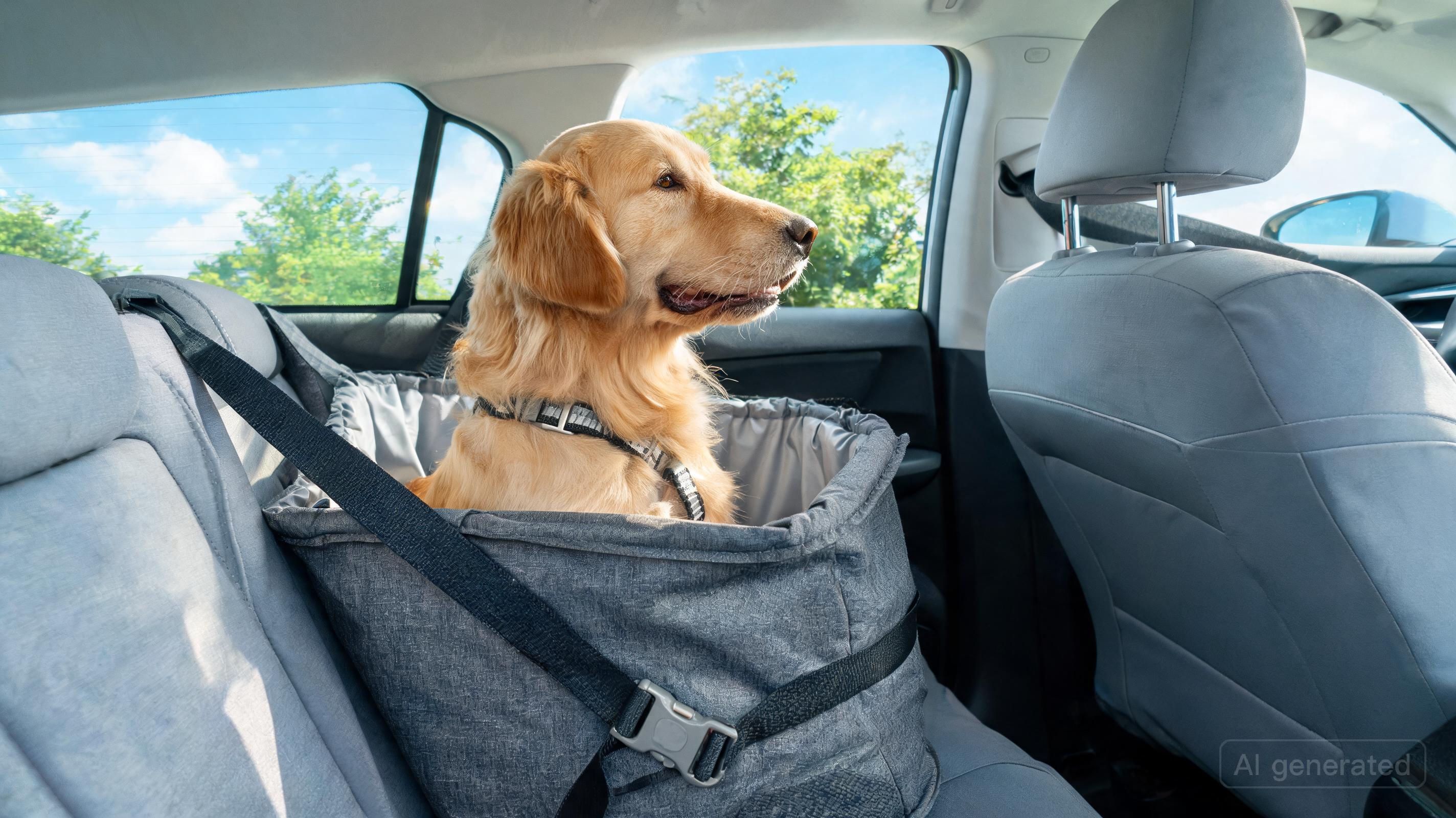
In 2024, the AAA Newsroom reported that unrestrained pets in vehicles contribute to an estimated 30,000 distracted-driving accidents every year in the United States. An unrestrained 10-pound dog becomes a 300-pound projectile in a 30-mph crash — enough to injure both the pet and every passenger.
There are three main restraint options, and the right one depends on your pet's size and temperament:
Crash-Tested Harnesses
A crash-tested harness clips into the existing seat belt latch. Look for products that have passed the Center for Pet Safety (CPS) certification tests — not all "crash-tested" labels are equal. The CPS Harness Certification Program is the only independent standard currently available in North America. Top-rated options typically feature a wide chest plate to distribute force and a short attachment lead to minimize throw distance.
Hard-Sided Travel Crates
For larger dogs or anxious animals, a hard-sided crate secured with a cargo strap to the cargo area or rear seat offers the highest level of protection. Crates also provide a familiar "den" space, which reduces stress on long drives. Secure the crate so it cannot slide, tip, or rotate under braking.
Booster Seats & Carriers for Small Pets
Smaller dogs and cats travel well in fabric carriers placed on the rear seat, seat-belted in. Booster seats elevate small dogs so they can see out the window — which itself reduces motion sickness by helping them maintain a visual horizon. Avoid placing any carrier in the front passenger seat where airbag deployment could cause fatal injury.
2. Hydration & Nutrition on the Move
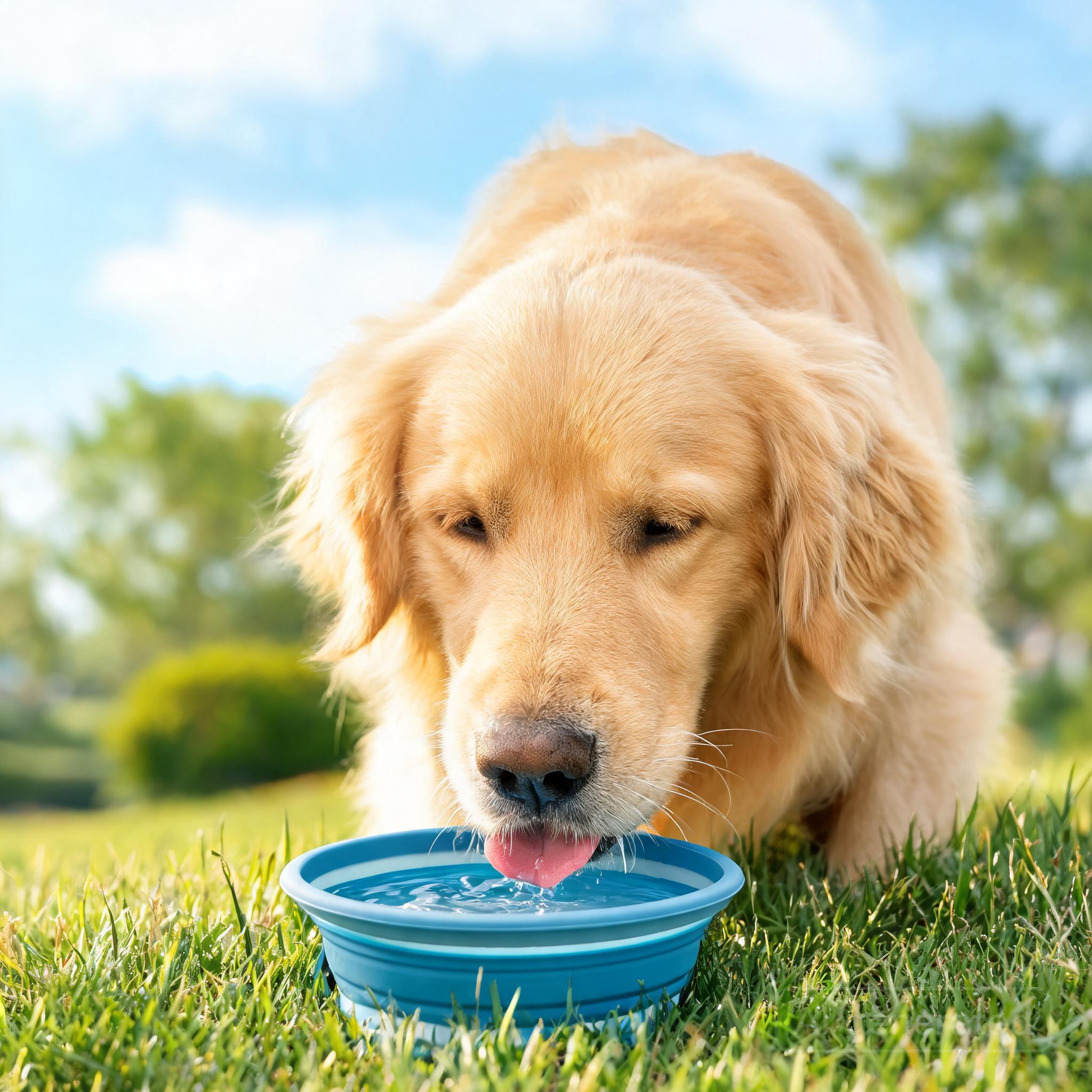
Dogs require approximately 1 fluid ounce of water per pound of body weight every day under normal conditions, according to American Veterinary Medical Association (AVMA) hydration guidelines, 2024. On a hot summer day with trail hikes and car-window-down breezes, that number can double — a 60-pound dog may need up to 120 oz (nearly a full gallon) of water between sunrise and sunset.
What to Pack
- Collapsible silicone bowl — lightweight, clips to a pack or carabiner, easy to rinse
- Insulated water bottle (pet-specific or human-grade) — keeps water cool in summer heat; aim for at least 32 oz per 50 lbs of dog per half-day outing
- Travel water dispenser with bite valve — lets dogs drink hands-free during trail breaks without bowl setup
- Pre-portioned food bags — measure out meals in zip-lock bags before departure to avoid overfeeding from routine disruption
- Portable cooler bag for wet food or raw diets — wet food spoils in 2 hours above 40°F; ice packs are mandatory
Timing Meals Around the Drive
Feed your pet a light meal 3–4 hours before departure, not immediately before. A full stomach dramatically increases the risk of motion sickness and bloat — especially in deep-chested breeds like German Shepherds, Great Danes, and Weimaraners, where post-meal car rides are a documented bloat trigger. On multi-day trips, stick to your pet's normal feeding schedule as closely as possible to reduce digestive disruption.
3. The Pet Road Trip First Aid Kit
In 2025, the AVMA Pet Owner Emergency Preparedness Guide, 2025 found that fewer than 20% of pet owners carry any form of pet-specific first aid supplies while traveling. Yet veterinary emergencies — lacerations from trail debris, bee stings, heatstroke onset, and paw burns from hot asphalt — are among the most common issues reported at emergency animal clinics during summer months. Having the right supplies on hand can stabilize a pet for the hours it may take to reach a vet.
Your Pet First Aid Kit Checklist
- Sterile gauze pads and self-adhesive bandage wrap (Vetrap)
- Antiseptic wound spray or chlorhexidine solution
- Blunt-tip scissors and tweezers (for tick removal and splinters)
- Tick removal tool (fine-tip tweezer or tick key)
- Diphenhydramine (Benadryl) — confirm correct dosage with your vet before the trip
- Saline eye wash for trail dust or debris
- Paw balm or protective wax (for hot pavement and rocky terrain)
- Digital rectal thermometer — a dog's normal temperature is 101°F–102.5°F; above 104°F is a heat emergency
- Emergency ice packs (instant-activation)
- Your pet's current vaccination records in a waterproof sleeve
4. Comfort & Anxiety Relief for Long Drives
Roughly 1 in 5 dogs experiences some form of motion sickness or travel anxiety, according to a 2023 study published in the Journal of Veterinary Behavior. For adventure dogs expected to cover 6–10 hours of driving in a single day, managing anxiety is not just a comfort issue — a stressed dog is a distracted-driving hazard and is significantly more prone to dehydration, digestive upset, and heat sensitivity during the trip.
Before the Trip: Car Conditioning
Start short car sessions 2–3 weeks before your trip. Begin with the car parked (engine off), letting your pet explore the vehicle and associate it with treats and calm praise. Progress to 5-minute drives around the block, then 30-minute highway drives. This systematic desensitization is the most effective long-term solution — more effective than any calming supplement for dogs with moderate anxiety.
In-Car Comfort Essentials
- Familiar bedding or blanket — your pet's scent on familiar fabric provides measurable anxiety reduction
- A worn T-shirt or item of clothing — especially powerful for separation-sensitive dogs
- Dog-appeasing pheromone (DAP) spray — apply to bedding 15 minutes before departure, not directly to the pet
- White noise or calming music playlist — studies show species-specific calming music (e.g., Through a Dog's Ear) reduces cortisol markers
- Window shades for rear windows — reduces overstimulation from fast-moving scenery
- Long-lasting chew or puzzle toy — occupies anxious dogs during highway stretches
5. Planning Pet-Friendly Routes & Stops
Not all rest areas, campsites, or trailheads are created equal for traveling pets. In 2025, BringFido's Annual Pet Travel Report documented that 68% of pet-owning road-trippers reported at least one unexpected stop where pets were restricted or prohibited — adding hours of detour to their journey. Planning your route with pet-friendly infrastructure in mind eliminates this frustration entirely.
Tools & Apps Worth Downloading Before You Leave
- BringFido — searchable database of pet-friendly hotels, restaurants, parks, and beaches
- AllTrails — filter trails by "dogs allowed" and "dogs must be leashed"; view user photos of trail conditions
- GasBuddy — map fuel stops and cross-reference with nearby pet rest areas
- iOverlander / Campendium — for overlanding and dispersed camping trips; shows pet policies and water availability
- Petriage — AI-assisted pet symptom checker; helps you decide if an issue needs an emergency vet or can wait
How Often Should You Stop?
The general veterinary guideline is a 15–20 minute rest stop every 2–3 hours for dogs. Use these stops for water, elimination, and brief movement — not just a quick stretch. Walk your dog on leash at every stop, even if there's a fenced area: unfamiliar environments with distracting smells are prime moments for bolt-and-bolt escapes. Cats in carriers typically tolerate 4–5 hour stretches but should be offered water and litter access at every major stop.
6. ID, Microchip & Emergency Preparedness
Travel is one of the highest-risk situations for pet loss. The AVMA's Pet Loss Prevention Data, 2024 indicates that 1 in 3 pets goes missing at least once during their lifetime, and unfamiliar environments during travel are a leading contributing factor. A distracted moment at a rest stop, an open car door, or a spooked reaction to a passing truck can result in a lost pet hundreds of miles from home.
- Updated ID tag — include your cell phone number AND a secondary contact; engrave directly on the tag, no barrel tags that can fall off
- Verified microchip registration — confirm your chip is registered and your contact info is current in the national database (Found Animals Registry or AAHA Universal Pet Microchip Lookup)
- Recent photo on your phone — taken within the last 3 months, showing full body and face clearly
- Written description card — breed, color, weight, distinctive markings; keep one in your glovebox
- Emergency vet locator — download VCA Hospitals or Emergency Vet Finder by VCA before you lose signal; note the nearest 24-hour clinic at each overnight stop
Build Your Pet Travel Kit Before You Go
Every essential in this guide — carriers, hydration gear, first aid kits, and ID accessories — is available in our curated Pet Travel Collection.
Shop Pet Travel Essentials →Frequently Asked Questions
Can I leave my pet in the car during summer stops?
No — not even briefly. According to PetMD's 2025 Summer Safety Report, a car interior at 70°F ambient temperature reaches 89°F in just 10 minutes and 104°F in 30 minutes. Dogs can suffer irreversible organ damage once their body temperature exceeds 106°F. Always take your pet with you or ensure a second person stays with the vehicle, engine running and AC on.
How do I know if my pet is too anxious to travel?
Key signs include excessive drooling, persistent whining, vomiting within the first 20 minutes, trembling, or refusing to enter the vehicle. A 2023 study in the Journal of Veterinary Behavior found that roughly 17% of dogs show clinical travel anxiety requiring veterinary intervention. If your pet shows 3 or more of these signs regularly, consult your vet about anti-nausea or anti-anxiety medication before the trip.
What vaccines does my pet need before a road trip?
Core vaccines — rabies, DHPP for dogs, and FVRCP for cats — should be current before any travel. If you're visiting wooded areas, ask your vet about Lyme disease and Leptospirosis vaccines. The AVMA also recommends a veterinary health certificate if you're crossing state lines or entering national parks, as some areas require proof of vaccination for entry.
How much water does a dog need on a hot summer hiking day?
Under normal conditions, dogs need roughly 1 oz of water per pound of body weight per day. On hot days with active exercise, the AVMA recommends doubling this amount. A 50-lb dog hiking on a 90°F day could need up to 100 oz — nearly 3 liters. Offer water every 15–20 minutes during activity, not only when the dog asks, as many dogs suppress thirst signals during excitement.
Are cats okay on long road trips?
Cats can handle long road trips but require more careful preparation than dogs. Keep them in a secure, well-ventilated carrier at all times — never let cats roam the vehicle. Line the carrier with an absorbent pad and offer access to a portable litter box at every 4–5 hour stop. Studies show cats transported in familiar-smelling carriers with a piece of the owner's clothing show 35% lower stress vocalizations over a 4-hour drive.
Conclusion: Pack for Your Pet Like You Pack for Yourself
A great summer road trip with a pet comes down to a simple principle: prepare for them with the same detail you apply to your own gear. Safety restraints protect you both. Proper hydration keeps energy and cognition up on the trail. A first aid kit closes the gap between an incident and emergency care. Comfort prep ensures your adventure partner arrives ready to hike, swim, and explore — not exhausted from stress.
Take 30 minutes before your next trip to walk through this guide like a checklist. Update your pet's microchip registration, download one emergency vet app, pick up a collapsible water bowl, and confirm your carrier is properly rated. Those small actions are the difference between a trip that becomes a story you tell for years and one that ends at an emergency vet clinic 200 miles from home.
The road is wide open. Pack smart, drive safe, and take your best companion with you.
2. AAA Newsroom — "Distracted Driving: Pets in Vehicles", retrieved 2026-06-29, https://newsroom.aaa.com/
3. Center for Pet Safety — "Harness Certification Program Results, 2023", retrieved 2026-06-29, https://www.centerforpetsafety.org/
4. American Veterinary Medical Association (AVMA) — "Pet Owner Emergency Preparedness Guide, 2024 & 2025", retrieved 2026-06-29, https://www.avma.org/
5. PetMD — "Summer Pet Safety Report, 2025", retrieved 2026-06-29, https://www.petmd.com/
6. Journal of Veterinary Behavior — "Car desensitization and travel anxiety in domestic dogs, 2023", retrieved 2026-06-29, https://www.sciencedirect.com/journal/journal-of-veterinary-behavior
7. BringFido — "Annual Pet Travel Report, 2025", retrieved 2026-06-29, https://www.bringfido.com/
8. AAHA Universal Pet Microchip Lookup — retrieved 2026-06-29, https://www.petmicrochiplookup.org/