
Why Gen Z Spends More on Cats: Premium Nutrition, Emotional Bonds & Multi-Cat Homes
Something quietly shifted in the pet aisle over the past few years. Freeze-dried chicken toppers, probiotic-enriched kibble, subscription treat boxes — these weren't the kinds of things anyone's grandmother bought for the family tabby. But Gen Z cat owners? They're buying all of it, and then some.
In 2024, Fortune reported that Gen Z pet owners spend an average of $178 per month on their pets — more than any other generation. Millennials average $146, Gen X $115, and Baby Boomers a comparatively modest $90. That's not a small gap. That's a generation rewriting the rulebook on what it means to care for a cat.
This piece breaks down exactly why. The answer sits at the intersection of three powerful forces: an obsession with premium cat nutrition, a depth of emotional attachment that previous generations rarely expressed publicly, and a growing trend toward households with two, three, or even four cats.
- In 2024, Gen Z spends $178/month on pets on average — nearly double Baby Boomers at $90/month (Fortune / Lemonade Survey, 2024).
- 70% of Gen Z pet owners report having two or more pets, driving multiplied household spending per category (ElectroIQ, 2025).
- Premium and nutritious pet diets are now a priority for 61% of U.S. pet owners, with the organic pet food market alone valued at $2.3 billion.
- 50% of Gen Z pet owners describe their animals as "actual children," anchoring spending decisions in emotional identity rather than utility.
Gen Z Is Redefining What It Means to "Own" a Cat

In 2025, ElectroIQ's pet ownership research found that 50% of Gen Z pet owners now describe their pets as "actual children." That single data point says a lot. For this generation, the term "pet owner" barely scratches the surface. They are pet parents — and that identity shapes every purchasing decision they make.
Compare this to how older generations typically framed pet ownership: a cat lived in the house, ate a standard dry food, and went to the vet when sick. Practical. Functional. Gen Z has flipped this entirely. Cats have become emotional anchors, lifestyle companions, and even social media personalities in their own right.
Part of this comes down to life stage. Gen Z is delaying traditional milestones — homeownership, marriage, children — at much higher rates than their predecessors. The U.S. household data backs this up: households with children dropped to 39% in 2024, while pet ownership climbed to 71% in 2025. Cats, in particular, suit urban apartment living and solo or couple households perfectly. They're independent enough to leave home during the workday, yet emotionally present enough to create genuine companionship.
That shift in identity — from owner to parent — is the single most important factor driving the spending surge. Once you're a parent, skimping on food feels irresponsible. Choosing the cheapest option feels negligent. Premium products feel like love made tangible.
Why Premium Cat Nutrition Is a Non-Negotiable for Gen Z
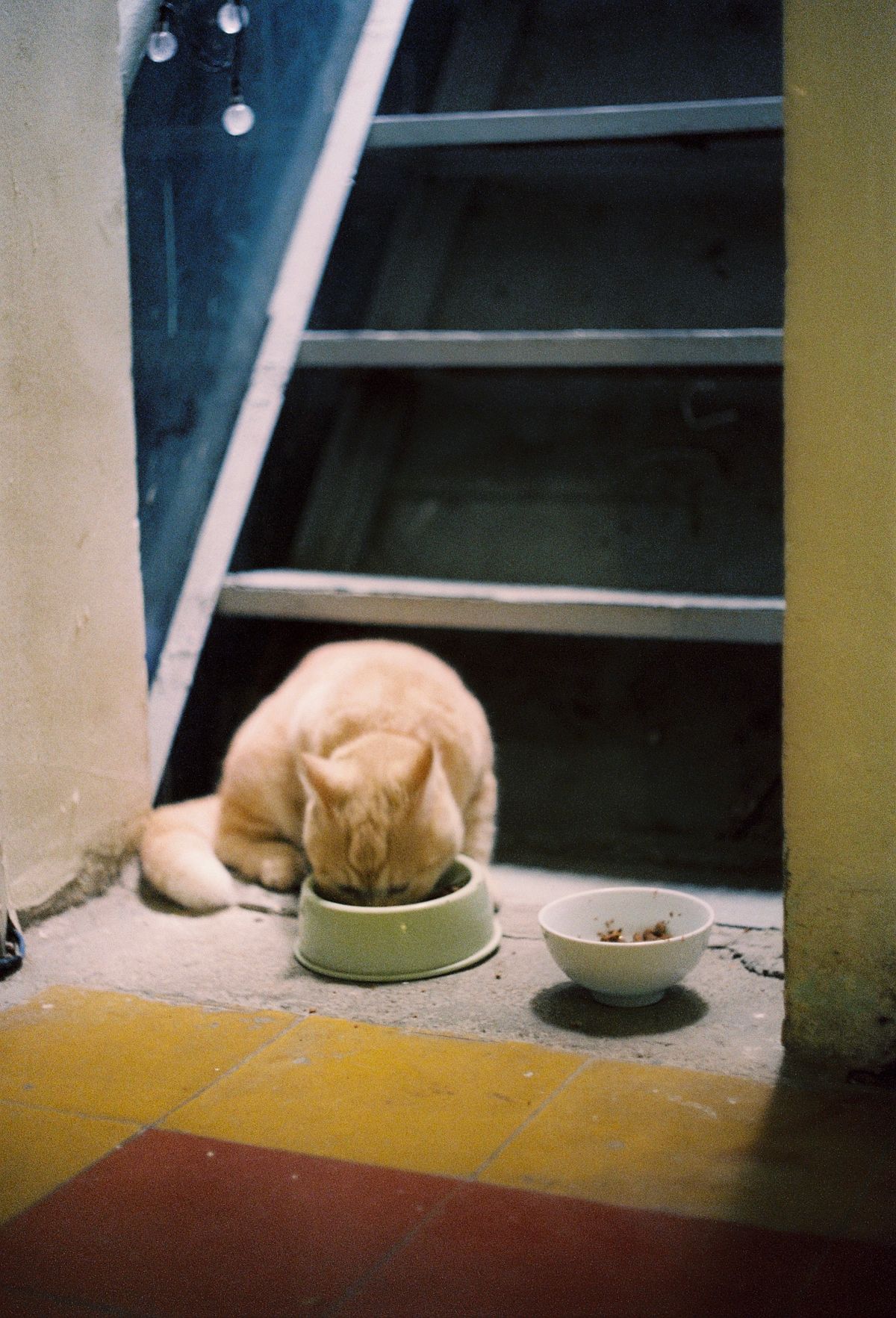
In 2025, 61% of U.S. pet owners prioritize premium or nutritious diets for their animals, with the organic pet food market alone valued at over $2.3 billion. For Gen Z cat owners specifically, food isn't a commodity — it's a statement of values. Grain-free recipes, high-protein raw diets, freeze-dried toppers, probiotic supplements — these mirror the exact wellness choices Gen Z makes for themselves.
Think about it: this is the generation that reads ingredient labels on their own food, gravitates toward "clean eating," and questions industrial food production. Why would they feed their cat anything less than what they hold themselves to?
The premiumization of cat food is accelerating fast. Products priced two to five times higher than conventional kibble are now commanding significant market share, according to Zoom Room's humanization of pets analysis. Brands that once sold "budget" lines are quietly introducing premium tiers to meet the demand. And cat food subscriptions — monthly deliveries of curated, vet-approved meals — have become a normal line item in a Gen Z household budget.
The human-food parallel doesn't stop at ingredients. Gen Z cat owners also show strong interest in food transparency — they want to know where protein is sourced, whether manufacturing is ethical, and if the brand has sustainability credentials. A bag of kibble is no longer just a bag of kibble. It's a brand relationship.
The Emotional Bond — Cats as Family, Therapists & TikTok Stars
In 2024, 43% of Gen Z pet owners said they feel genuine guilt when leaving their cat at home to go to work — compared to 30% across all generations. That guilt is real, and it drives behavior. It shows up as enrichment toys, puzzle feeders, second cats for companionship, and even pet cameras so owners can check in throughout the day.
The mental health dimension of cat ownership for Gen Z is enormous and largely underappreciated by marketers. This generation entered adulthood during a period of significant societal stress — a global pandemic, economic uncertainty, and a documented mental health crisis among young adults. Cats became, for many, a source of daily comfort that required no words, no reciprocity, and no emotional labor. Just presence.
Then there's the social dimension. TikTok cat culture is not a niche — it is mainstream entertainment for an entire generation. Cats with millions of followers, viral "cat tax" posts, and a whole ecosystem of products reviewed and recommended by cat-focused creators have turned ordinary pet care into a shared cultural language. Gen Z doesn't just own cats; they participate in a global community around them. That community comes with peer pressure, product discovery, and constant inspiration to invest more.
According to ElectroIQ (2025), Gen Z pet consumers rely heavily on TikTok, YouTube, and Instagram for pet product discovery. This makes social platforms the primary shopping channel — not the pet store aisle — and it heavily favors brands that understand short-form video, authentic storytelling, and creator partnerships.
Multi-Cat Homes — Why Gen Z Keeps Adding to the Clowder
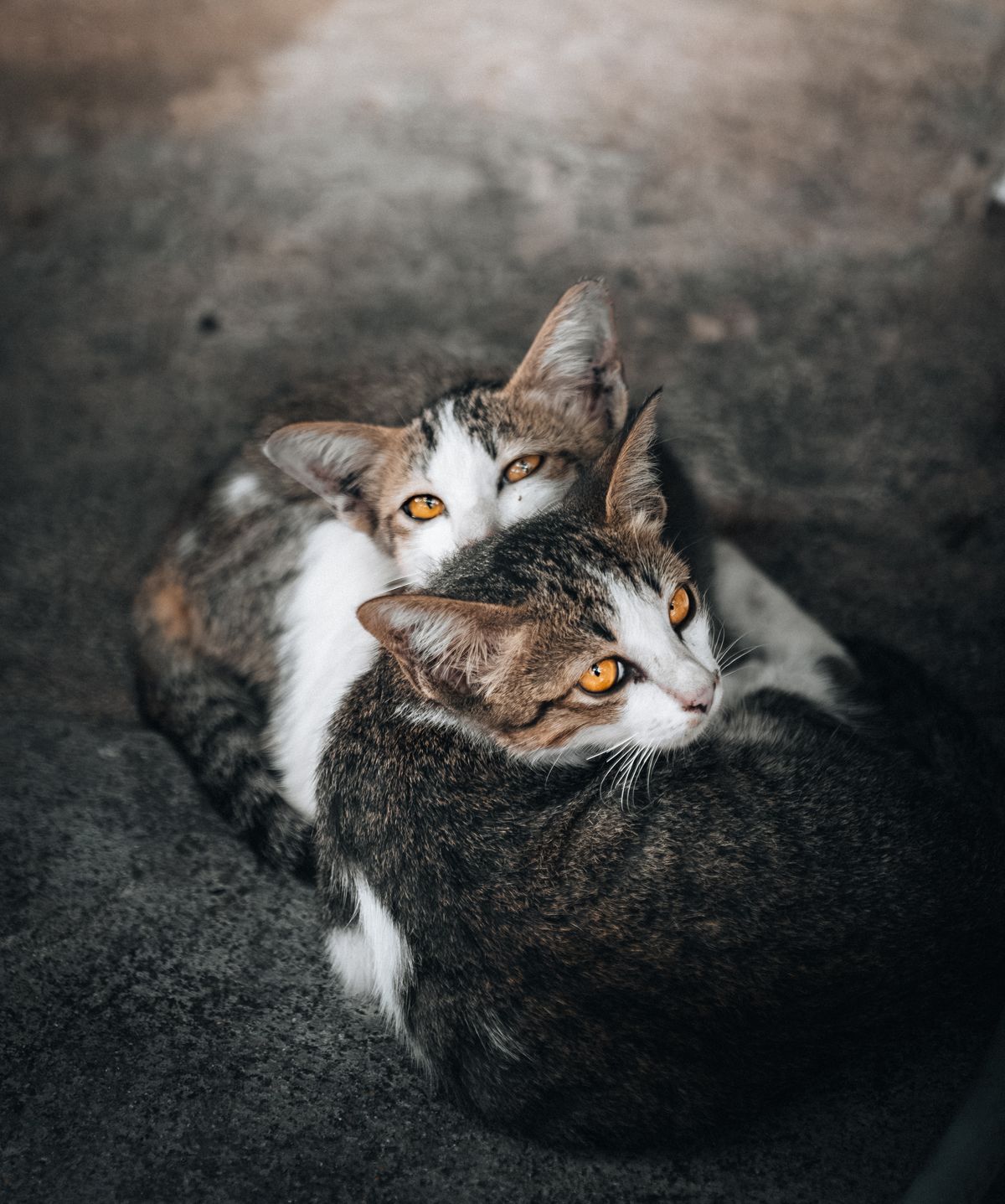
In 2025, 70% of Gen Z pet owners report having two or more pets — a significantly higher rate than older generations. For cats specifically, this tracks naturally: cats are kept at an average of 1.8 per cat-owning household in the U.S., the highest clustering rate of any major pet type. Gen Z is pushing that number higher still.
The reasons are layered. First, rescue culture is deeply embedded in Gen Z's value system. Around 31% of cats in the U.S. come from shelters, and 27% were rescued as strays, according to ElectroIQ's 2025 data. Gen Z is far more likely to adopt than to buy, and adoption events — amplified on social media — regularly lead to "just one more" decisions. The guilt of leaving one cat at home alone is also a common driver for getting a second cat as a companion.
Second, the economics of multi-cat living are more accessible for Gen Z than they initially appear. Cat care costs less per animal than dog care — average annual cat ownership runs under $1,500 — making a second or third cat feel financially manageable, even on a tight budget.
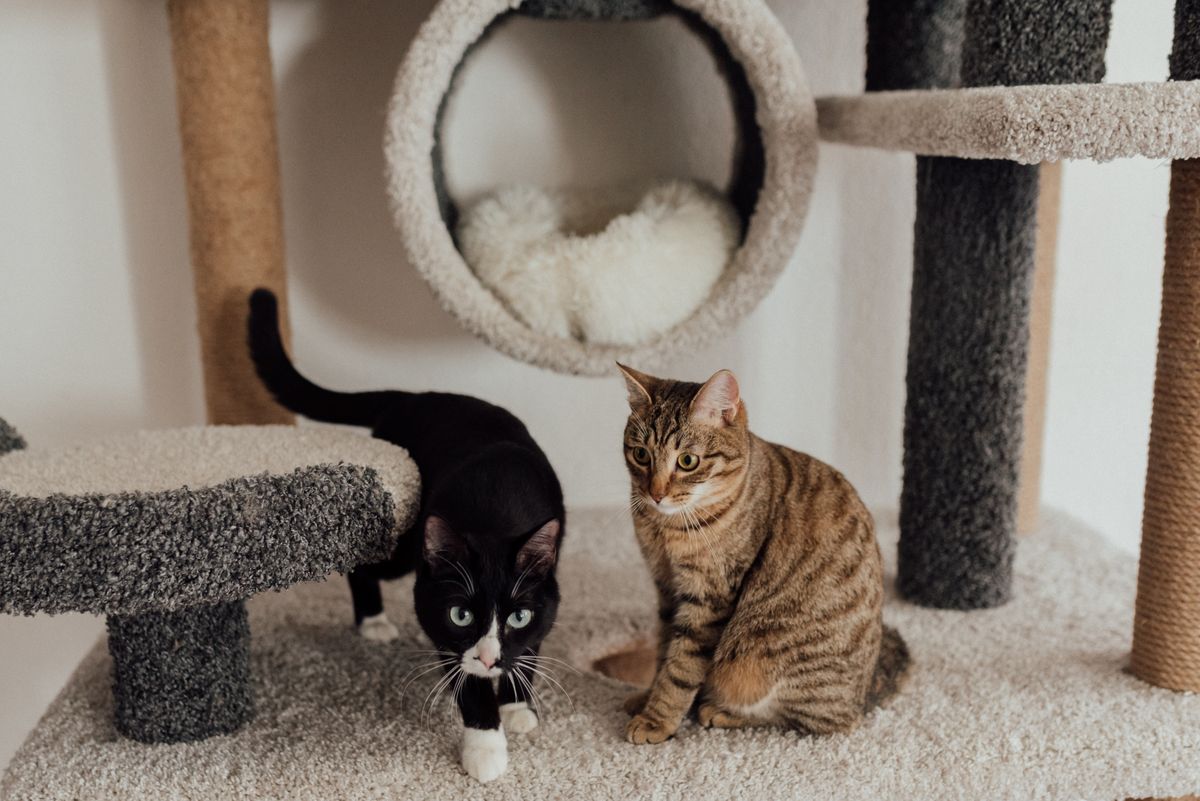
Third, and perhaps most compellingly, multi-cat homes reflect how Gen Z conceptualizes family. When your cats are your children, a sibling makes perfect emotional sense. The spending math follows accordingly: two "children" means two sets of premium food, two vet checkups, two sets of toys, two enrichment setups. The per-household spend doesn't just double — it often exceeds that, because multi-cat enrichment tools (cat trees, climbing walls, interactive toys) are sized and priced for the whole clowder.
What Smart Pet Brands Are Doing to Win Gen Z Cat Owners
In 2025, the U.S. pet industry is projected to reach $157 billion in total sales, with pet food and treats (44% of all spend) and pet services driving the bulk of growth. For brands, winning Gen Z cat owners is not about discounts — it's about alignment. This generation responds to four things above everything else: transparency, sustainability, community, and social proof.
Transparency means showing what's in the product and how it's made. Gen Z reads labels, scrutinizes ingredient lists, and asks hard questions about sourcing. Brands that hide behind vague "premium blend" language lose credibility fast. Those that lead with specific protein sources, country of origin, and third-party testing build the trust Gen Z allocates to its preferred brands.
Sustainability matters too. This generation carries genuine concern about environmental impact into purchase decisions. Compostable packaging, carbon-neutral shipping, and responsibly sourced ingredients aren't just nice-to-haves — for a meaningful segment of Gen Z, they're table stakes.
Social proof operates differently for Gen Z than it did for older consumers. Traditional advertising is largely ignored. But a credible cat account with 200,000 followers recommending a specific food brand? That converts. Gen Z trusts peer voices, creator voices, and authentic community voices far more than polished brand campaigns.
For pet product buyers and retailers looking to reach this audience, sourcing matters as much as marketing. Gen Z cat owners care where their products come from and whether they meet a quality bar. Platforms like CrossPet offer a broad range of cat products — from nutrition essentials to enrichment and accessories — making it a practical destination for those building out a thoughtful, Gen Z-ready cat product selection.
Looking for Quality Cat Products Built for the Gen Z Era?
Explore CrossPet's full range of premium cat nutrition, enrichment, and accessories — trusted by retailers and pet parents worldwide.
Shop CrossPet NowThe Future of the Gen Z Pet Economy
The signals pointing forward are consistent: Gen Z is growing into its peak earning years, and its commitment to premium cat care shows no sign of softening. In 2025, Gen Z accounts for 20% of all U.S. pet-owning households — but that share will only increase as more members of this generation enter their late twenties and thirties, gain financial stability, and deepen their household commitments to their cats.
Several emerging categories will accelerate spending further. Pet insurtech is already gaining traction — in 2024, 74% of Gen Z pet owners who experienced emergency vet visits had insurance, the highest rate of any generation. As premiums normalize and coverage improves, insurance will become a standard part of the Gen Z cat owner's budget.
The global pet care market, valued at $246.66 billion in 2023, is projected to reach $368.88 billion by 2030. Gen Z will be one of the primary engines of that growth — not because they're irrational spenders, but because their relationship with cats is genuinely different. More intentional. More emotionally invested. More demanding of quality.
For anyone in the pet product space, one takeaway is clear: Gen Z is not a niche. It's the next dominant customer cohort, and it's already reshaping what the premium cat market looks like — one freeze-dried chicken topper at a time.
Frequently Asked Questions
How much does Gen Z spend on cats per month compared to other generations?
In 2024, Gen Z pet owners spent an average of $178 per month on their pets — the highest of any generation. Millennials averaged $146, Gen X $115, and Baby Boomers $90, according to a survey commissioned by Lemonade and reported by Fortune. For cat-specific households, premiums for nutrition, enrichment, and vet care push these figures even higher.
Why does Gen Z prefer premium cat food over standard options?
Gen Z applies the same ingredient-conscious, transparency-first values to their cat's diet that they apply to their own food choices. In 2025, 61% of U.S. pet owners already prioritize premium or nutritious diets, and among Gen Z this tendency is even stronger. The $2.3 billion organic pet food market is growing precisely because of this demographic's demand for clean, traceable ingredients.
How many Gen Z households have more than one cat?
According to ElectroIQ's 2025 pet ownership data, 70% of Gen Z pet owners report having two or more pets. Cats average 1.8 per cat-owning household nationwide — and Gen Z households push that number higher through rescue culture, social-media-driven adoption events, and the belief that a solo cat deserves a companion. Each additional cat multiplies spending across every category.
What drives Gen Z's emotional bond with cats specifically?
Gen Z came of age during a period of elevated stress and documented mental health challenges. Cats offer low-barrier companionship — independent enough for urban apartment life, yet emotionally present enough to reduce anxiety and loneliness. In 2025, 50% of Gen Z pet owners describe their pets as actual children, and 97% of all pet owners view pets as family members, reflecting how deeply the human-pet bond has evolved.
How are pet brands successfully reaching Gen Z cat owners?
Gen Z cat owners make the majority of product discovery decisions through TikTok, YouTube, and Instagram. Nearly 40% of all pet owners now purchase food and treats online. Brands winning this demographic lead with transparency (clear ingredient sourcing), sustainability credentials, authentic creator partnerships, and strong community presence — not traditional advertising. Gen Z trusts peer voices over brand campaigns.
The Bottom Line
Gen Z isn't spending more on cats because they're careless with money. They're spending more because they've fundamentally redefined the role a cat plays in a human life — and the economics follow naturally from that redefinition.
Three forces are driving the spending gap:
- Premium nutrition is non-negotiable when your cat is family, not furniture.
- Emotional bonds that previous generations kept private are now openly celebrated — and commercially expressed.
- Multi-cat households multiply every line item in the pet budget, from food to vet visits to enrichment.
For cat owners, this is simply a reflection of how much cats mean to them. For brands and retailers, it's one of the most significant consumer behavior shifts in the pet industry in decades — and it's only just getting started.
- The Associated Press / Lemonade — "Gen Zers may not have a house or kids, but data shows they're spoiling their pets more than any other generation instead", retrieved 2026-09-29, https://fortune.com/2024/12/25/...
- ElectroIQ — "Pet Ownership Statistics, Trends And Facts (2025)", retrieved 2026-09-29, https://electroiq.com/stats/pet-ownership-statistics/
- APPA / Forbes Advisor — "Pet Ownership Statistics 2026: Annual Pet Market Research", retrieved 2026-09-29, https://www.forbes.com/advisor/pet-insurance/pet-ownership-statistics/
- Zoom Room Franchise — "Humanization of Pets Trend: Impact on Spending", retrieved 2026-09-29, https://franchise.zoomroom.com/articles/humanization-of-pets-trend