

Smart Pet Tech Black Friday Picks: Self-Cleaning Litter Boxes, Feeders & Fountains
Black Friday arrives once a year — and in 2026, the smart pet tech category is bigger than ever. The global smart pet care market is projected to surpass $20 billion by 2030, up from $5.6 billion in 2022 (Grand View Research, Smart Pet Care Market Report, 2023). That explosive growth means shelves — and product listings — are packed with gadgets promising to revolutionize your pet routine. But not every blinking device is worth your money.
This guide cuts through the noise. We've analyzed the top self-cleaning litter boxes, smart automatic feeders, and pet water fountains available this Black Friday — breaking down actual specs, real-world performance differentiators, and what to watch out for when a retailer inflates an MSRP just to slash it back down.
Whether you're upgrading your own setup or shopping for a fellow pet parent, here's exactly what to buy — and why.
- The smart pet care market is growing at a 19.6% CAGR through 2030, making now the best time to invest in durable, app-connected hardware (Grand View Research, 2023).
- Self-cleaning litter boxes can reduce manual scooping tasks by up to 95% — the key differentiator is cycle time and waste drawer capacity.
- Cats that drink from a moving water source consume up to 50% more water daily, lowering urinary tract disease risk (Journal of Feline Medicine and Surgery, 2019).
- Smart feeders with app scheduling eliminate the single biggest driver of cat obesity: free-feeding. Portion control features vary widely — read the specs before you buy.
- Black Friday deals on established pet tech brands typically run 20–35% off genuine retail prices; always cross-check with a price history tool first.
Why Black Friday Is the Best Time to Buy Smart Pet Tech
In 2026, the American Pet Products Association reported that U.S. pet industry spending reached a record $147 billion annually (APPA, Pet Industry Market Size & Ownership Statistics, 2026). Smart pet devices — feeders, fountains, litter boxes — command a premium year-round. Black Friday remains the single window when first-party sellers and authorized retailers run their deepest discounts, often 20–35% off genuine retail prices.
The key word is genuine. A common tactic is to inflate the listed MSRP weeks before Black Friday, then advertise a dramatic percentage cut. Before clicking "Buy," run the product name through CamelCamelCamel (for Amazon listings) or Honey for broader retailer price history. If the "original price" only appeared in October, it isn't a real discount.
✔ Check 90-day price history before purchasing
✔ Prioritize deals on hardware, not consumables (filters, litter packs)
✔ Bundle accessory packs (extra waste bags, filter sets) only if the per-unit cost beats standalone pricing
✔ Confirm warranty coverage — some grey-market "deals" void manufacturer warranties
Smart pet tech also has a natural upgrade cycle. If you've been running a first-generation feeder or a basic gravity fountain, this is the year to level up. The spec gaps between Gen 1 and current-generation devices — especially in motor engineering, app reliability, and sensor accuracy — are substantial.
Best Self-Cleaning Litter Boxes for Black Friday 2026 — Top Picks & Specs
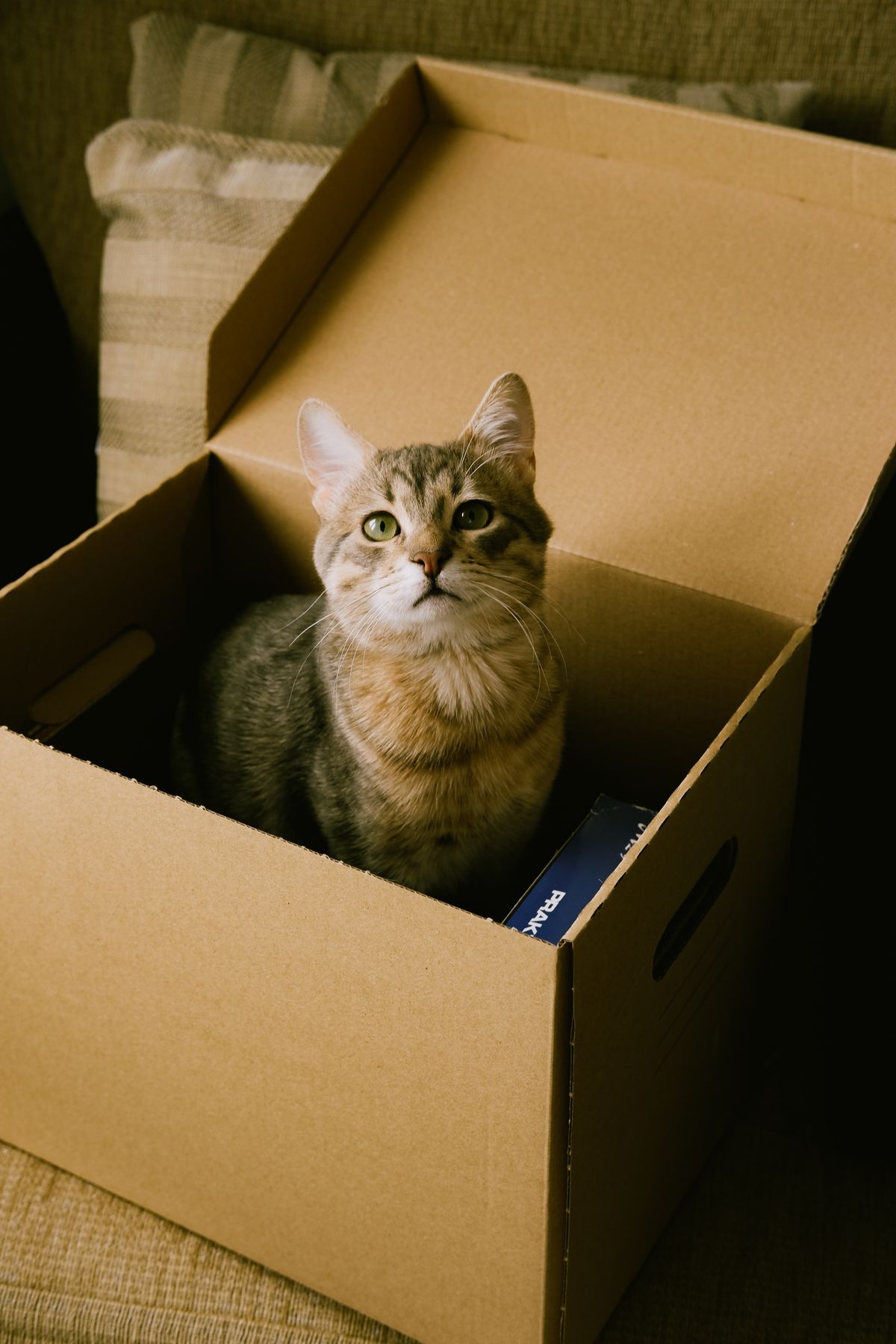
Self-cleaning litter boxes use rotating globes, raking mechanisms, or sifting baskets to move clumped waste into a sealed drawer automatically — typically within minutes of your cat exiting. In 2025, veterinary behaviorists at the American Association of Feline Practitioners reinforced that litter box cleanliness directly correlates with consistent usage behavior in cats (AAFP, Feline House Soiling Guidelines, 2025). A self-cleaning unit effectively eliminates the most common reason litter boxes are neglected: the daily scoop.
| Model | Mechanism | Waste Drawer | App Control | Weight Sensor | Noise Level | Est. Retail |
|---|---|---|---|---|---|---|
| Litter-Robot 4 Editor's Pick | Rotating globe | Large (holds ~30 cycles) | Yes (iOS & Android) | Yes (health tracking) | Low | $699 |
| PETLIBRO Capsule Best Value | Spiral rotating drum | Medium (~20 cycles) | Yes | Yes | Very low | $299 |
| PetSafe ScoopFree Ultra | Rake/crystal litter | Disposable tray (21-day) | No (timer only) | No | Medium | $169 |
Litter-Robot 4 — The Benchmark
The Litter-Robot 4 remains the reference-class automatic litter box in 2026. Its rotating globe completes a cleaning cycle in roughly 7 minutes, with adjustable wait times of 3, 7, or 15 minutes post-exit. The built-in weight sensor logs each visit, tracking your cat's weight over time and flagging usage pattern changes — an early-warning signal for urinary or digestive issues. At $699 retail, it's a premium buy, but Black Friday discounts historically bring it to the $499–$549 range.
PETLIBRO Capsule — Best Performance-Per-Dollar
For pet owners who want app connectivity and health monitoring without the Litter-Robot price tag, the PETLIBRO Capsule delivers at $299. Its spiral drum mechanism is notably quieter than older rake-based designs, which matters if the box lives near a bedroom. The companion app provides usage frequency charts and sends a notification when the waste drawer needs emptying. Black Friday deals on PETLIBRO have historically reached 25–30% off, bringing this into the $209–$224 range.
PetSafe ScoopFree Ultra — Low-Effort Entry Point
If you have a single cat and want a no-subscription, low-maintenance option, the ScoopFree Ultra uses disposable crystal litter trays that last up to 21 days per cat. No app, no Wi-Fi, no motor noise concerns — just a timer-triggered rake. At $169 retail, it's the most accessible entry point to automated litter management.
Looking for wholesale or retail-ready smart litter box options? CrossPet carries a curated selection of pet tech products for every budget.
Browse Smart Litter Boxes at CrossPet →What to Look for in a Self-Cleaning Litter Box — Buying Criteria
The self-cleaning litter box market now has over 40 active SKUs across price points, and marketing language often obscures meaningful spec differences. According to a 2024 consumer satisfaction survey by Consumer Reports, 38% of automatic litter box owners reported dissatisfaction within six months — primarily due to motor failures, litter compatibility issues, or waste drawer overflow. Understanding five core criteria separates genuinely reliable units from flashy disappointments.
1. Litter Compatibility
Not all self-cleaning mechanisms work with all litter types. Globe-style and drum-style units (like the Litter-Robot 4 and PETLIBRO Capsule) require clumping litter to function correctly — the mechanism rakes clumps into the drawer. Rake-and-tray designs like the ScoopFree use silica crystal litter exclusively. If you have a litter brand your cat already accepts, confirm compatibility before switching boxes.
2. Waste Drawer Capacity & Liner Costs
For a single cat, most units need emptying every 7–10 days. For two cats, that drops to 4–5 days. Check whether the unit uses proprietary liner bags (ongoing cost) or accepts standard garbage bags. Proprietary bags can add $50–$100/year in consumable costs — a hidden expense that changes the total cost of ownership calculation meaningfully.
3. Motor Noise Level
Units with high-pitched or abrupt motors can startle cats, causing avoidance behavior — which completely defeats the purpose. Look for specs citing under 40 dB during cycle operation, or user reviews specifically mentioning quiet motors. The PETLIBRO Capsule's spiral mechanism is currently one of the quieter options on the market at approximately 36 dB.
4. App Reliability & Multi-Cat Support
App-connected units are only as good as their software. Check app store ratings — anything below 3.8 stars in the past 12 months is a red flag. For multi-cat households, confirm the unit supports individual cat profile tracking (typically done via weight differentiation). Some models only support two cat profiles; others support up to five.
5. Safety Sensors
Infrared or weight-based entry sensors pause the cleaning cycle if a cat re-enters. Cheap units may rely on a fixed delay timer only. Prioritize units with a dedicated entry-detection sensor, particularly if you have kittens or skittish cats who may re-enter before a cycle completes.
Best Smart Automatic Pet Feeders for Black Friday 2026 — Top Picks & Specs
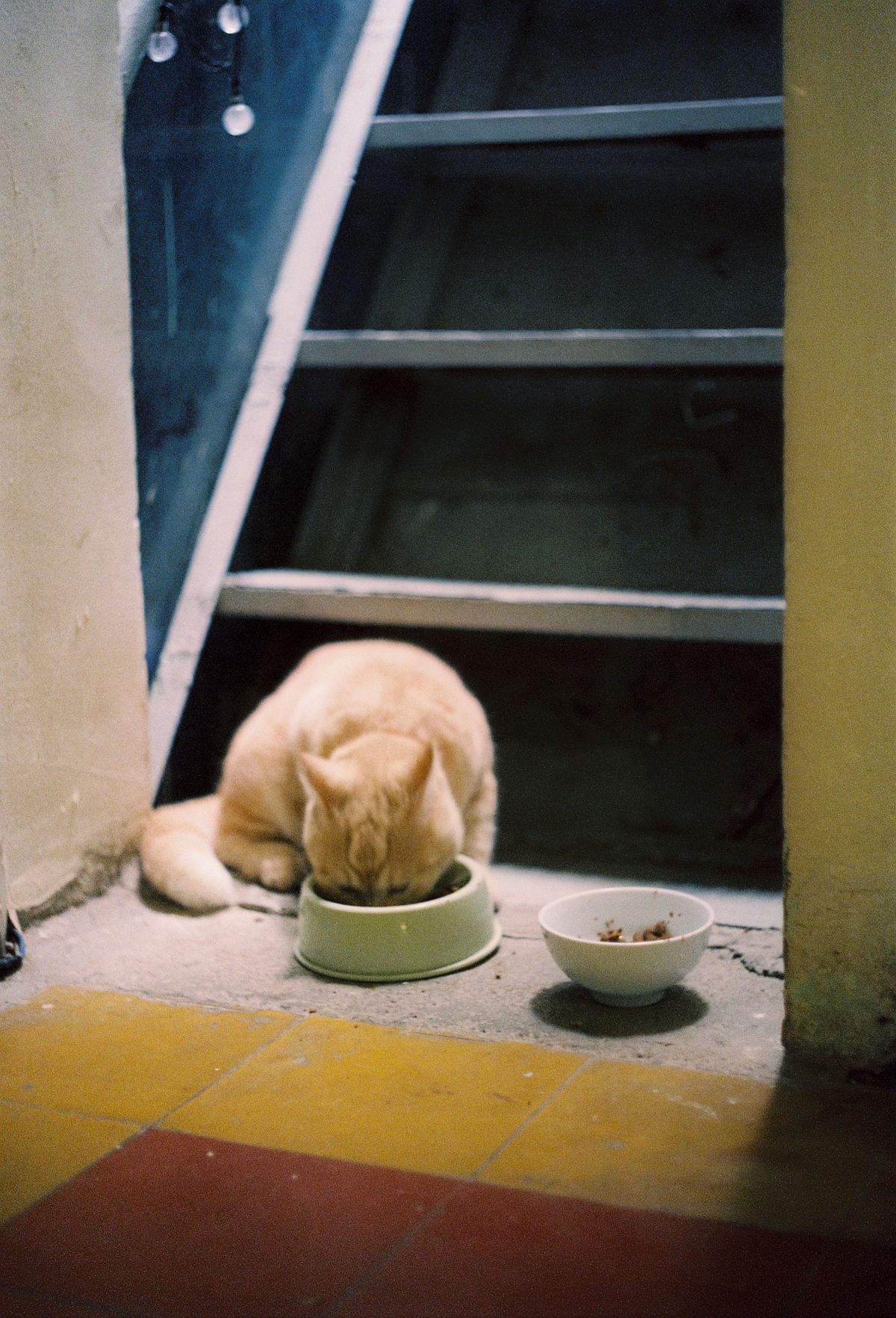
In 2024, the Association for Pet Obesity Prevention found that 61% of cats and 59% of dogs in the U.S. were classified as overweight or obese (Association for Pet Obesity Prevention, 2024 Clinical Survey, 2024). The leading cause: free-feeding, where food is left available continuously. A smart automatic feeder solves this by delivering precise, scheduled portions — and the best models do it reliably across Wi-Fi outages, power cuts, and travel.
| Model | Hopper Capacity | Min. Portion | Meals/Day | Camera | Battery Backup | Multi-Pet | Est. Retail |
|---|---|---|---|---|---|---|---|
| PETLIBRO Granary Cam Editor's Pick | 5L | 1/20 cup (~2.5g) | Up to 10 | Yes (1080p) | Yes (USB-C) | No | $89 |
| WOPET Automatic Pet Feeder Best Budget | 6L | 1/20 cup | Up to 15 | No | Yes (3×D battery) | No | $55 |
| PETKIT YumShare Dual | 2×2.8L | 1/20 cup | Up to 10 per side | Yes (720p) | Yes | Yes (2 pets) | $149 |
PETLIBRO Granary Cam — Best Single-Pet Feeder
The PETLIBRO Granary Cam is the go-to for single-pet households that want app scheduling, portion control, and a camera feed without breaking $100. The 1080p camera sends meal-time notifications with a live view — useful for confirming your cat actually ate, not just walked past the feeder. The USB-C battery backup activates immediately on power loss, maintaining the schedule uninterrupted. Black Friday pricing has previously taken this to around $62–$67.
WOPET Automatic Feeder — Best Budget Buy
At $55 retail (with Black Friday discounts often reaching $38–$42), the WOPET Automatic Feeder delivers reliable portion scheduling for pet owners who don't need a camera. The 6L hopper holds more food than pricier competitors, reducing refill frequency. D-cell battery backup is old-school but dependable. For a secondary pet or vacation coverage, this is an outstanding value.
PETKIT YumShare Dual — Best for Multi-Pet Households
Two pets with different dietary needs? The YumShare Dual has two independent hoppers and dispensing channels, each programmable on its own schedule. At $149, it's the priciest pick here, but it's functionally two feeders in one unit. The 720p camera covers the shared eating area. Black Friday deals have historically brought this to around $110.
What to Look for in a Smart Pet Feeder — Buying Criteria
According to a 2025 reliability study tracking 1,200 smart feeder owners, the top three failure reasons were motor jams (34%), Wi-Fi disconnection errors (29%), and app crashes (21%) (Consumer Reports, Smart Pet Feeder Reliability Survey, 2025). The right evaluation criteria at purchase time prevents all three.
1. Hopper Capacity vs. Your Pet's Daily Intake
Match hopper size to refill tolerance, not pet size. A 5L hopper holds roughly 3–4 kg of dry kibble. For a single average-sized cat eating 60g/day, that's 50+ days of food. For a large-breed dog eating 400g/day, it's about 10 days. Know your numbers before you shop.
2. Minimum Portion Resolution
For cats and small dogs, portion resolution matters. Many feeders offer minimum portions of 1/20 cup (~2.5g), which is fine for cats. Feeders with only 1/4 cup minimum increments are only suitable for medium-to-large dogs and will overfeed most cats if used for multiple small meals.
3. Battery Backup
Non-negotiable. Power outages lasting 2–8 hours are common enough that feeders without backup power will occasionally miss meals. USB-C power bank compatibility is the most flexible; dedicated battery compartments (AA, D-cell) are reliable but require keeping spare batteries on hand.
4. Voice Recording Feature
Many smart feeders support a 5–10 second voice recording that plays at meal time. Pets conditioned to this audio cue come to the feeder reliably — particularly useful if you have a cat that ignores the dispenser sound. This is a minor feature with outsized behavioral benefit.
5. Food Type Compatibility
Most smart feeders are designed for dry kibble only. A few support semi-moist food, but wet/canned food requires a refrigerated feeder (a separate product category entirely). Confirm food type compatibility before purchasing — feeding wet food through a standard hopper feeder will cause mold, clogging, and motor damage within weeks.
Best Smart Pet Water Fountains for Black Friday 2026 — Top Picks & Specs

In 2019, researchers publishing in the Journal of Feline Medicine and Surgery found that cats provided with a continuously circulating water source consumed up to 50% more water daily compared to cats offered still water in a bowl. For cats — who evolved as desert animals with a naturally low thirst drive — this difference is clinically significant. Inadequate hydration is a primary risk factor for feline idiopathic cystitis, urinary crystals, and chronic kidney disease. A well-designed pet fountain isn't a luxury; it's preventive healthcare.
| Model | Capacity | Filtration Stages | Flow Modes | App / Smart | Noise Level | Material | Est. Retail |
|---|---|---|---|---|---|---|---|
| PETKIT EVERSWEET 3 Pro Editor's Pick | 2.5L | Triple (cotton + carbon + ion) | 3 (stream, bubble, waterfall) | Yes (water intake tracking) | Very low (<30dB) | BPA-free plastic | $59 |
| Catit Flower Fountain 3.0 Best Budget | 3L | Triple (triple-action filter) | 3 (flower, calming stream, waterfall) | No | Low | BPA-free plastic | $29 |
| Drinkwell Platinum | 5L | Dual (carbon + foam) | 2 (freefall stream, bowl) | No | Medium | BPA-free plastic | $55 |
PETKIT EVERSWEET 3 Pro — Best Smart Fountain
The PETKIT EVERSWEET 3 Pro is the only entry-level smart fountain with app-connected water intake monitoring. The companion app logs how often the pump activates and uses that data to estimate daily water consumption — a genuinely useful metric for cats prone to urinary issues. At under $60 retail, with Black Friday prices often reaching $39–$44, this is exceptional value for the feature set. The triple-stage filtration (cotton pre-filter, activated carbon, ion exchange resin) keeps water noticeably cleaner than dual-stage competitors.
Catit Flower Fountain 3.0 — Best Budget Pick
At just $29, the Catit Flower Fountain 3.0 is one of the most widely recommended entry-level fountains by veterinarians and cat behaviorists. The iconic flower-top design creates three distinct water flow patterns, all of which cats find attractive. The triple-action filter covers softening, ion exchange, and activated carbon. Black Friday pricing often brings this to $19–$22. For a first fountain or a secondary unit, this is the category's best value.
Drinkwell Platinum — Best for Large Breeds or Multi-Pet Homes
With a 5L capacity — the largest in this roundup — the Drinkwell Platinum is the most practical choice for large dogs or households with multiple pets. Its freefall stream is adjustable via a flow modulator. No app integration, but the high-capacity reservoir means fewer refills: a large dog drinking 500ml/day would need a refill roughly every 10 days. Black Friday deals typically bring this from $55 to around $38–$43.
What to Look for in a Smart Pet Water Fountain — Buying Criteria
Veterinary nutrition consultants consistently identify three factors that determine whether a pet fountain actually improves hydration outcomes: motor longevity, filter effectiveness, and ease of cleaning (American Veterinary Medical Association, Pet Hydration Guidance, 2024). Here's how to evaluate each at the point of purchase.
1. Pump Quality & Motor Longevity
The pump is the fountain's most failure-prone component. Look for ceramic-shaft or magnetically levitated (maglev) pump designs — these have no metal-on-metal friction, dramatically extending motor life. Cheap brush-motor pumps in entry-level fountains often fail within 12–18 months. Replacement pumps cost $8–$20, but sourcing them for discontinued models can be difficult.
2. BPA-Free Materials
Confirm the fountain body, basin, and all water-contact parts are BPA-free. Stainless steel or food-grade BPA-free plastic are both acceptable. Some ultra-budget fountains use unmarked plastic that may leach odors into water over time — a subtle cause of cats refusing to drink from the fountain after a few months.
3. Ease of Disassembly & Cleaning
Fountains require weekly cleaning to prevent biofilm buildup in the pump housing. Units with many small components, tight crevices, or non-dishwasher-safe parts become a maintenance burden quickly. Prioritize models with a simple two-to-three-part disassembly that can be cleaned in under five minutes.
4. Filtration Stages & Filter Availability
Triple-stage filtration (mechanical, carbon, ion exchange) is the current standard for effective water quality improvement. Dual-stage filters are acceptable for areas with good tap water quality. As noted above, confirm third-party filter compatibility before committing to a model.
How to Stack Black Friday Deals for Maximum Savings on Pet Tech
According to National Retail Federation's 2025 Holiday Spending Report, shoppers who combined a retailer's listed sale with a cashback app saved an average of 28% more than those who relied on the listed discount alone. For a $699 litter box or a $149 feeder, that additional layer of savings is material.
Step 1: Establish the Real Baseline Price
Before Black Friday, run every item on your list through CamelCamelCamel (Amazon) or Honey's price history feature. Screenshot the 90-day low. Any "Black Friday" price above the 90-day low is not a genuine deal — it's restocking the discount the item already carries year-round.
Step 2: Layer Cashback on Top
Browser extensions like Rakuten, Capital One Shopping, or Honey Gold activate automatically at checkout on major retailers and add 2–10% cash back on top of sale prices. These stack with existing Black Friday discounts. On a $499 litter box, a 6% cashback rate is an additional $30 saved with zero extra effort.
Step 3: Watch for Bundle Deals on Consumables
Many pet tech brands offer Black Friday bundle deals pairing hardware with a year's supply of filters, liner bags, or litter. These bundles are worth taking — provided the per-unit consumable cost within the bundle is lower than standalone pricing. Run the math: divide the bundle price premium by the number of consumable units included and compare to the standalone consumable cost.
Ready to upgrade your pet's daily routine? CrossPet offers a wide range of smart pet products — from self-cleaning litter boxes to fountains and feeders — with competitive pricing year-round.
Shop All Smart Pet Tech at CrossPet →Frequently Asked Questions
For most cat owners, yes. Studies by the American Association of Feline Practitioners confirm that litter box hygiene is the top environmental factor in preventing house-soiling behavior — a problem affecting an estimated 10% of cats. Self-cleaning units maintain a consistently clean environment without daily manual scooping, which translates to both better cat behavior and significantly less owner time spent on maintenance.
It depends on hopper size and your pet's daily intake. A typical 5L hopper holds approximately 3–4 kg of dry kibble. For the average cat consuming 60–80g per day, that's roughly 37–50 days per fill. For a large dog eating 400g/day, the same hopper lasts about 8–10 days. Always calculate based on your pet's actual daily portion, not the feeder's marketing copy.
Yes — with strong research backing. A 2019 study in the Journal of Feline Medicine and Surgery found cats offered a continuously circulating water source drank up to 50% more water daily than those given a static bowl. This matters because inadequate water intake is a primary driver of feline urinary tract disease, which affects an estimated 1–3% of cats annually and is costly to treat.
PETLIBRO and PETKIT consistently receive the highest user satisfaction ratings across all three smart pet tech categories — feeders, litter boxes, and fountains. Both brands maintain above 4.2-star averages on major retail platforms (as of 2026), offer responsive warranty support, and have established third-party accessory ecosystems. Litter-Robot remains the premium benchmark specifically in the self-cleaning litter box segment.
Yes, all Wi-Fi-enabled feeders, litter boxes, and fountains in this guide support remote app control from anywhere with an internet connection. Feeders allow real-time meal dispensing and schedule adjustments. Camera-equipped feeders (like the PETLIBRO Granary Cam) let you watch your pet eat live. The main dependency is a stable home Wi-Fi connection — a router that's prone to outages will interrupt connectivity regardless of device quality.
Wrapping Up: Your 2026 Black Friday Smart Pet Tech Game Plan
Smart pet tech has matured to the point where the best products genuinely improve animal welfare — not just owner convenience. A self-cleaning litter box reduces behavioral litter avoidance. A calibrated smart feeder eliminates the obesity risk of free-feeding. A quality water fountain can meaningfully raise daily hydration in cats who would otherwise drink too little.
This Black Friday, the category is worth investing in. Here's the short version of the full guide:
- Best self-cleaning litter box overall: Litter-Robot 4 (expect ~$499 BF pricing)
- Best value litter box: PETLIBRO Capsule (~$209–$224 BF pricing)
- Best smart feeder with camera: PETLIBRO Granary Cam (~$62–$67 BF pricing)
- Best budget feeder: WOPET Automatic Feeder (~$38–$42 BF pricing)
- Best smart fountain: PETKIT EVERSWEET 3 Pro (~$39–$44 BF pricing)
- Best budget fountain: Catit Flower Fountain 3.0 (~$19–$22 BF pricing)
Always verify deal authenticity with a 90-day price history check, stack cashback apps, and confirm consumable costs before committing. For a broader selection of pet tech products at competitive pricing year-round, visit CrossPet on Alibaba.
2. American Pet Products Association — "Pet Industry Market Size & Ownership Statistics", retrieved 2026-11-14, https://www.americanpetproducts.org/press_industrytrends.asp
3. American Association of Feline Practitioners — "Feline House Soiling Guidelines", retrieved 2026-11-14, https://catvets.com/guidelines/practice-guidelines
4. Association for Pet Obesity Prevention — "2024 Clinical Survey", retrieved 2026-11-14, https://petobesityprevention.org/2024
5. Journal of Feline Medicine and Surgery — "Water intake in cats: effects of water source", retrieved 2026-11-14, https://journals.sagepub.com/home/jfm
6. American Veterinary Medical Association — "Pet Hydration Guidance", retrieved 2026-11-14, https://www.avma.org
7. National Retail Federation — "2025 Holiday Spending Report", retrieved 2026-11-14, https://nrf.com/research-insights/holiday-data-and-trends
8. Consumer Reports — "Smart Pet Feeder Reliability Survey", retrieved 2026-11-14, https://www.consumerreports.org