

How to Keep Your Dog Cool During Outdoor Walks and Travel (2026 Guide)
Every summer, thousands of dogs are rushed to emergency vets for heat exhaustion — and most owners never saw it coming. A walk that felt fine to you may have been dangerously hot for your dog. Unlike humans, dogs can't sweat through their skin, and their internal temperature can spike in ways that are invisible until it's too late.
In this guide, you'll learn exactly why dogs overheat so quickly, how to spot the warning signs before they turn critical, and — most importantly — which cooling products and gear genuinely make a difference on walks, hikes, and road trips.
- Dogs can reach dangerous body temperatures (above 104°F / 40°C) in as little as 15–20 minutes of exercise in heat above 80°F (AVMA, 2025).
- Brachycephalic breeds (Bulldogs, Pugs, French Bulldogs) are at the highest risk and need extra precautions even on mild days.
- The right cooling vest can lower a dog's surface temperature by up to 9°F — a clinically meaningful difference.
- Pavement above 125°F can cause paw pad burns in under 60 seconds — use the 7-second hand test before every walk.
- A simple travel kit with a cooling mat, insulated bottle, and window shade dramatically reduces risk on road trips.
Why Do Dogs Overheat So Quickly — and Which Breeds Are Most at Risk?
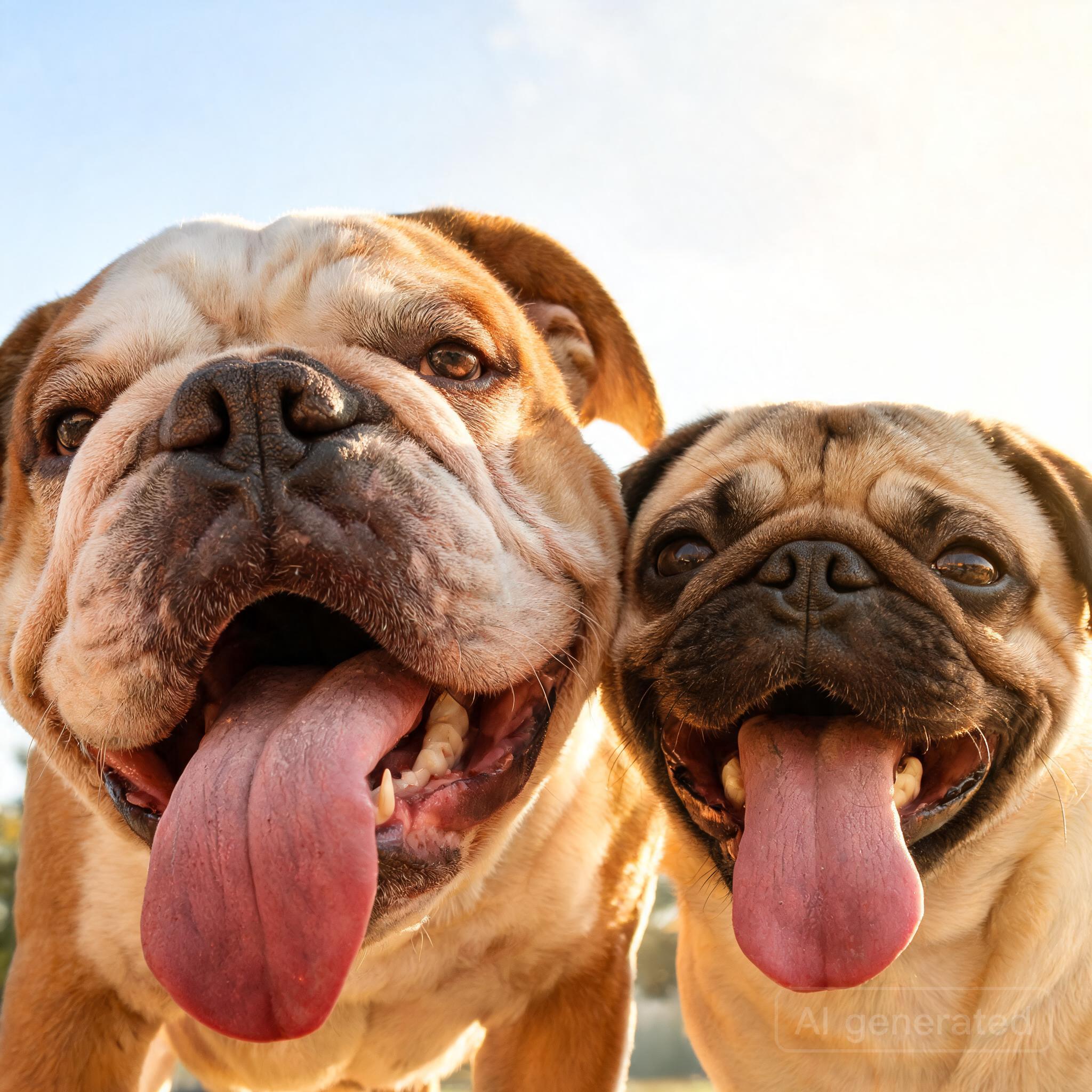
According to the American Veterinary Medical Association (AVMA) Hot Weather Safety Guide (2025), a dog's normal body temperature ranges between 99.5°F and 102.5°F — and heatstroke begins at just 104°F. Because dogs cool themselves almost entirely through panting and limited sweating from their paw pads, their internal temperature can escalate rapidly during exercise in warm conditions, especially with high humidity.
The Highest-Risk Breeds
Brachycephalic (flat-faced) breeds face the most severe risk. Their compressed nasal passages and shortened airways mean they move significantly less air per breath, making panting — their primary cooling mechanism — far less effective.
- Extreme risk: English Bulldog, French Bulldog, Pug, Boston Terrier, Boxer, Shih Tzu, Pekingese
- Elevated risk: Labrador Retriever, Golden Retriever, Chow Chow, Siberian Husky
- Moderate risk: Senior dogs (8+), overweight dogs, puppies under 6 months
In 2025, the AVMA's Hot Weather and Heatstroke Pet Safety report found that brachycephalic breeds account for over 40% of heat-related emergency vet visits despite representing only 15% of the overall dog population. This disproportion underscores how critical breed-specific precautions are before any summer outing.
What Are the Warning Signs of Heat Exhaustion in Dogs?
As of 2026, the VCA Animal Hospitals Clinical Heat Safety Reference identifies excessive panting and drooling as the earliest reliable warning signs of canine heat stress — appearing before body temperature reaches critical levels. Recognizing these early signals gives you a critical 5–10 minute window to act before heat exhaustion progresses to life-threatening heatstroke.
Early Warning Signs (Act Now)
- Heavy, rapid, or unusually loud panting
- Excessive drooling (thicker saliva than normal)
- Seeking shade, slowing down, or refusing to walk
- Bright red gums or tongue
- Restlessness or anxious behavior
Serious Warning Signs (Emergency)
- Vomiting or diarrhea
- Stumbling, weakness, or collapse
- Glazed eyes or confusion
- Pale, grey, or blue-tinged gums
- Loss of consciousness
- Move your dog immediately to shade or air conditioning.
- Apply cool (not ice-cold) water to their neck, armpits, and groin — never submerge.
- Offer small sips of water — do not force-drink.
- Fan the wet areas to accelerate evaporative cooling.
- Call your vet or emergency animal hospital immediately — even if your dog seems to recover.
In 2025, VCA Animal Hospitals' Heatstroke in Dogs clinical guide confirmed that dogs whose owners acted within 10 minutes of early symptoms had a significantly higher recovery rate than those brought in after collapse. Speed of response — not just treatment — is the decisive factor in heatstroke survival.
How to Choose the Right Cooling Gear for Your Dog
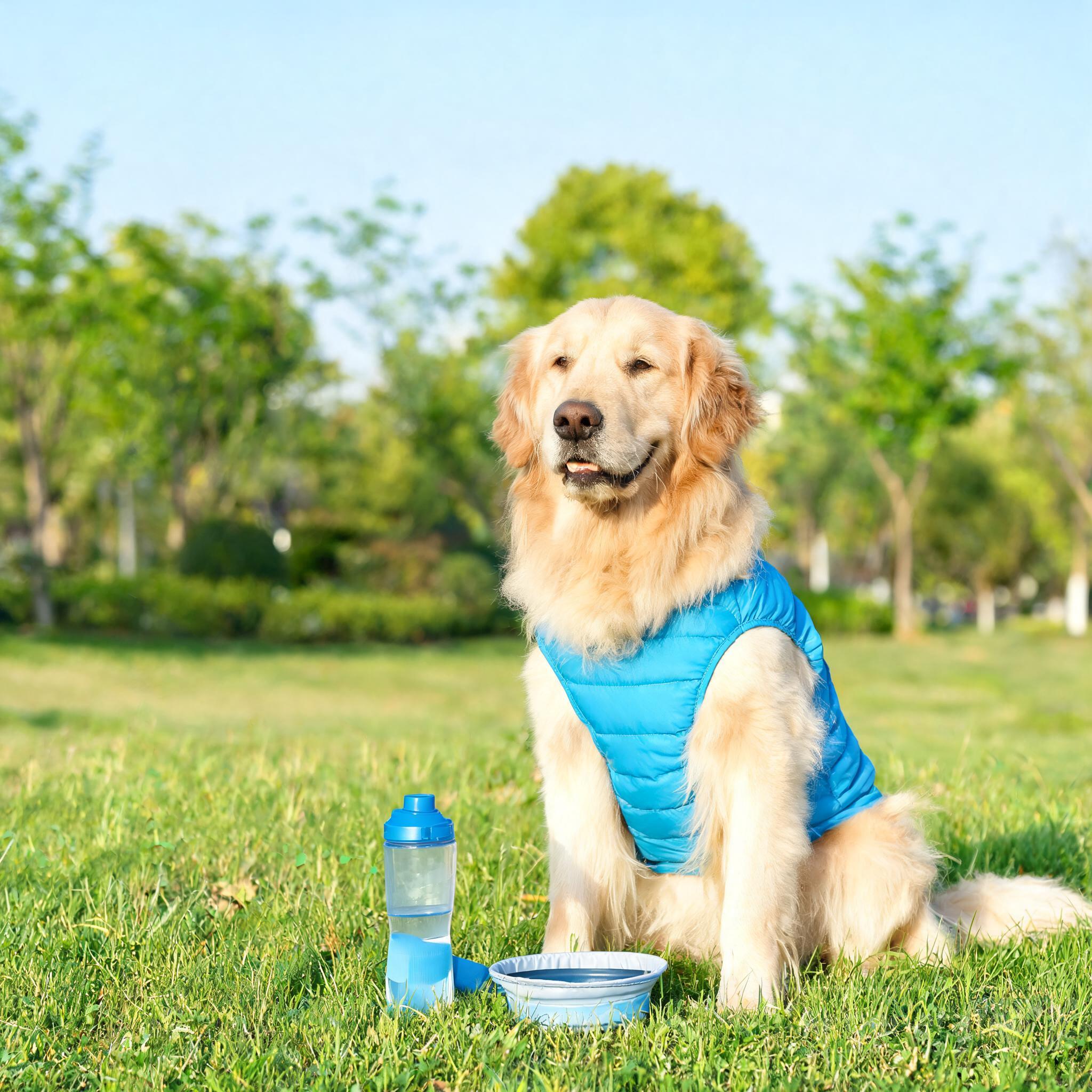
In 2024, a peer-reviewed study published in Veterinary Sciences (MDPI) found that evaporative cooling vests reduced surface body temperature in working dogs by up to 9°F (5°C) during sustained activity in temperatures above 85°F. Choosing the right gear category for your dog's size, breed, and activity level is the fastest way to reduce summer walk risk.
🧥 Cooling Vests & Bandanas
The most impactful single product for active dogs. Look for:
- Evaporative fabric (soak, wring, wear — stays cool for 2–4 hours)
- Reflective panels for added UV protection
- Adjustable straps for a snug, secure fit
- Top picks: Ruffwear Swamp Cooler, Hurtta Cooling Vest, Canada Pooch Chill Seeker
💧 Portable Water Bottles & Collapsible Bowls
Hydration on demand — never leave home without one. Key features:
- Integrated drinking trough (no separate bowl needed)
- 12–24 oz capacity — enough for a 45-minute walk
- Top picks: Highwave AutoDogMug, H2O4K9 Sports Bottle, Dexas Popware Collapsible Cup
🐾 Paw Protection Booties
Asphalt can reach 145°F+ on a 90°F day — well above the 125°F burn threshold. What to look for:
- Flexible, non-slip rubber sole for natural gait
- Breathable mesh upper to reduce trapped heat
- Top picks: Ruffwear Grip Trex, QUMY Dog Boots, Bark Brite Paw Protectors
❄️ Cooling Mats (Post-Walk Recovery)
Pressure-activated or gel-filled mats that absorb body heat when your dog lies down. Best for:
- Post-walk cool-down sessions (15–20 min reduces core temp)
- Indoor relief on extremely hot days
- Top picks: The Green Pet Shop Cooling Mat, K&H Pet Products Cool Bed III, CHILLZ Pressure Activated Pad
In 2024, Veterinary Sciences (MDPI) — "Thermoregulation and Heat Mitigation in Working Dogs" confirmed that combining a cooling vest with regular hydration stops every 20 minutes reduced peak exercise core temperature more effectively than either intervention alone — supporting a layered gear approach rather than relying on a single product.
What to Pack for Keeping Your Dog Cool on Road Trips and Travel
In 2023, AAA's Pet Travel Safety Study reported that car interior temperatures can rise 20°F in just 10 minutes and 40°F within an hour — even with windows cracked. Travel heat risk is fundamentally different from walk risk: it's concentrated, enclosed, and escalates faster than most owners expect. The right in-car kit makes every road trip significantly safer.
The Essential Dog Travel Cooling Kit
- Car window shades — Block direct sunlight; reduce interior temp by up to 15°F (look for universal fit mesh shades)
- Rear seat fan — Clip-on USB fans improve airflow dramatically; Dog-friendly picks: OPOLAR or TREVA clip fans
- Insulated travel water bottle — Keeps water cold for 12–24 hours; Hydroflask Wide Mouth or Nalgene Wide recommended
- Portable cooling pad (back seat) — Fold-flat gel pads that your dog can lie on during the drive
- Reflective crate cover — For dogs crated in the cargo area; reduces radiant heat by reflecting sunlight
- Emergency cooling towel — Pre-soaked chamois or microfiber towel stored in a zip-lock; instant relief if overheating begins
- Dog-safe sunscreen — Apply to ears and nose for short-coated or light-pigmented breeds (Epi-Pet Sun Protector is vet-approved)
In 2023, AAA's Pet Travel Safety Study found that only 16% of dog-owning drivers use any form of active cooling gear during car travel, despite the documented temperature escalation risk. Given that vehicle interiors can become lethal within 30 minutes on a warm day, this gap in preparation represents one of the most preventable causes of canine heat injury.
When Is It Too Hot to Walk Your Dog — and What to Do Instead?
In 2025, PDSA's Dog Summer Safety Guide recommended avoiding outdoor walks entirely when the air temperature exceeds 81°F (27°C) for brachycephalic breeds, and applying the pavement test as a mandatory check for all breeds whenever air temperature is above 77°F (25°C). Knowing your limits before you leave the house is the most effective heat safety protocol of all.
The 7-Second Pavement Test
Before every warm-weather walk, press the back of your hand flat on the pavement and hold for 7 seconds. If it's uncomfortable or painful, the surface is too hot for your dog's paw pads. Asphalt retains heat far longer than air temperature suggests — even 2–3 hours after sunset.
Best Times to Walk in Summer
- Early morning (before 9 AM) — Pavement is coolest; air temperature hasn't peaked
- Evening (after 7 PM) — Sunlight has weakened; but check pavement — it stays hot late
- Shaded trail routes — Reduce direct sun exposure and pavement heat simultaneously
Indoor Exercise Alternatives on Extreme Heat Days
- Indoor fetch or tug-of-war games
- Sniff-and-find enrichment activities (mental stimulation without physical heat risk)
- Dog-friendly air-conditioned stores or doggy day-care centres
- Shallow paddling pools in a shaded yard (excellent for high-energy breeds)
- Frozen treat enrichment (lick mats, frozen Kongs) to keep them engaged and cool indoors
Shop Dog Cooling Gear — Built for Summer Safety
Cooling vests, portable water bottles, paw booties, and travel kits — everything your dog needs to stay safe and comfortable all summer long.
Browse Dog Cooling Products →Frequently Asked Questions
How hot is too hot to walk a dog?
Most vets recommend avoiding walks when air temperature exceeds 77°F (25°C) for at-risk breeds, and 81°F (27°C) for healthy adult dogs (PDSA, 2025). Always combine the air temperature check with the 7-second pavement test — pavement heat is often a bigger immediate danger than ambient air temperature.
Do cooling vests actually work for dogs?
Yes — clinical evidence supports their effectiveness. A 2024 study in Veterinary Sciences (MDPI) found evaporative cooling vests reduced working dogs' surface temperature by up to 9°F (5°C). Evaporative-style vests (soak and wear) outperform gel-filled designs during active exercise.
Can dogs drink too much water during a walk?
Overhydration (hyponatremia) is rare but possible if a dog drinks large amounts of plain water rapidly during intense exercise (AVMA, 2025). Offer small, frequent sips every 15–20 minutes rather than allowing unlimited gulping. Approximately 1 oz of water per pound of body weight per day is a standard baseline guideline.
What's the fastest way to cool down an overheated dog?
Move your dog to shade or air conditioning immediately, then apply cool (not cold) water to the neck, armpits, and groin — the areas with highest blood vessel density. VCA Animal Hospitals (2025) advise against ice or ice-cold water, which causes blood vessel constriction and can slow core cooling. Call your vet even after apparent recovery.
Are senior dogs more vulnerable to heat than younger dogs?
Yes — significantly so. Dogs aged 8 and above have reduced cardiovascular efficiency and a diminished ability to regulate body temperature (AVMA, 2025). Senior dogs should follow the same precautions as brachycephalic breeds: avoid walks above 77°F, always use a cooling vest, and shorten walk duration by at least 30% compared to cooler days.
The Bottom Line: Gear Up Before the Heat Gets There
Keeping your dog cool on walks and road trips isn't complicated — but it does require preparation before you step outside, not after the warning signs appear. The core principle is simple: reduce heat input (cooling vest, shade, timing), maintain hydration (portable bottle, regular sips), and protect contact points (paw booties, cooling mat recovery).
If you take one thing from this guide, make it the 7-second pavement test. It costs nothing, takes seconds, and has real potential to prevent a painful and dangerous situation for your dog every single walk this summer.
- Walk before 9 AM or after 7 PM
- Do the 7-second pavement test every time
- Pack water — always, even for short walks
- Invest in a quality evaporative cooling vest for at-risk breeds
- Pre-cool your car before loading your dog after exercise
- American Veterinary Medical Association (AVMA) — "Hot Weather and Heatstroke Pet Safety Guide", retrieved 2026-06-23, https://www.avma.org/
- VCA Animal Hospitals — "Heatstroke in Dogs", retrieved 2026-06-23, https://www.vca.com/home
- MDPI Veterinary Sciences — "Thermoregulation and Heat Mitigation in Working Dogs", 2024, retrieved 2026-06-23, https://www.ncbi.nlm.nih.gov/pmc/articles/PMC10487965/
- AAA — "Pet Travel Safety Study", 2023, retrieved 2026-06-23, https://www.aaa.com/
- PDSA — "Dog Summer Safety Guide", 2025, retrieved 2026-06-23, https://www.pdsa.org.uk/